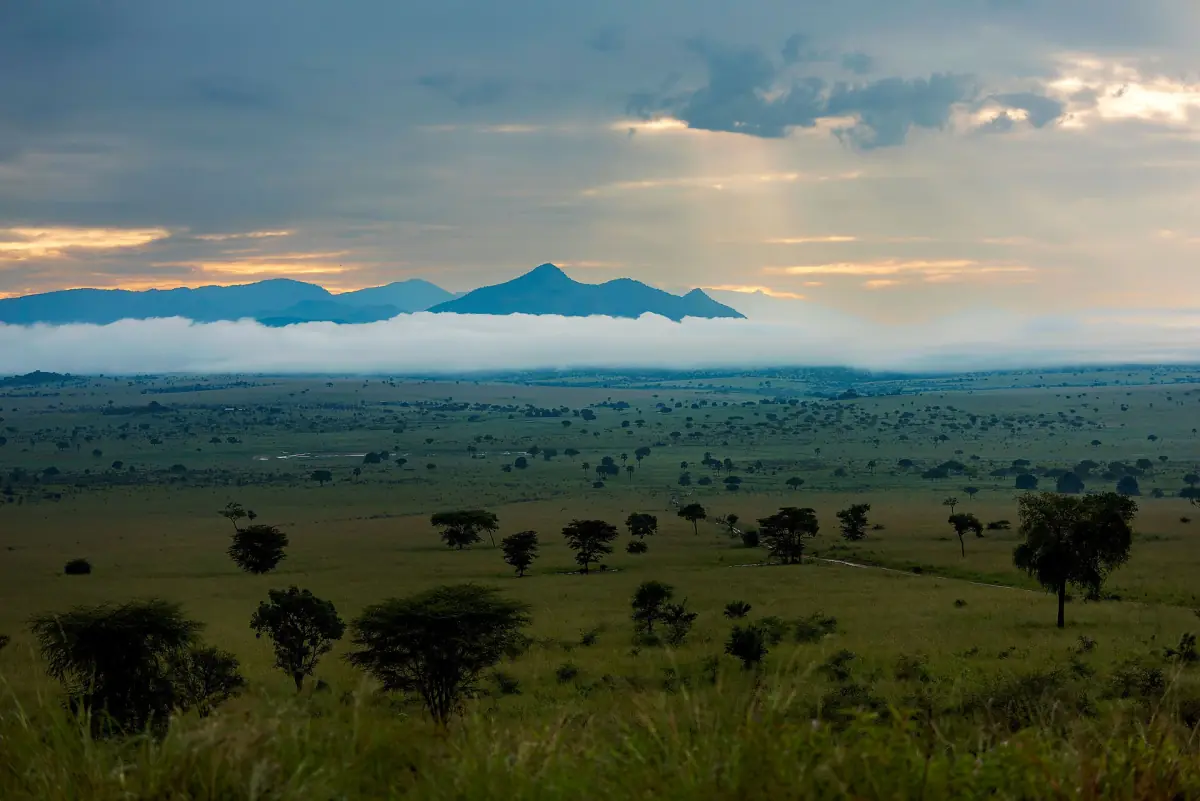
The Narus Valley at a glance
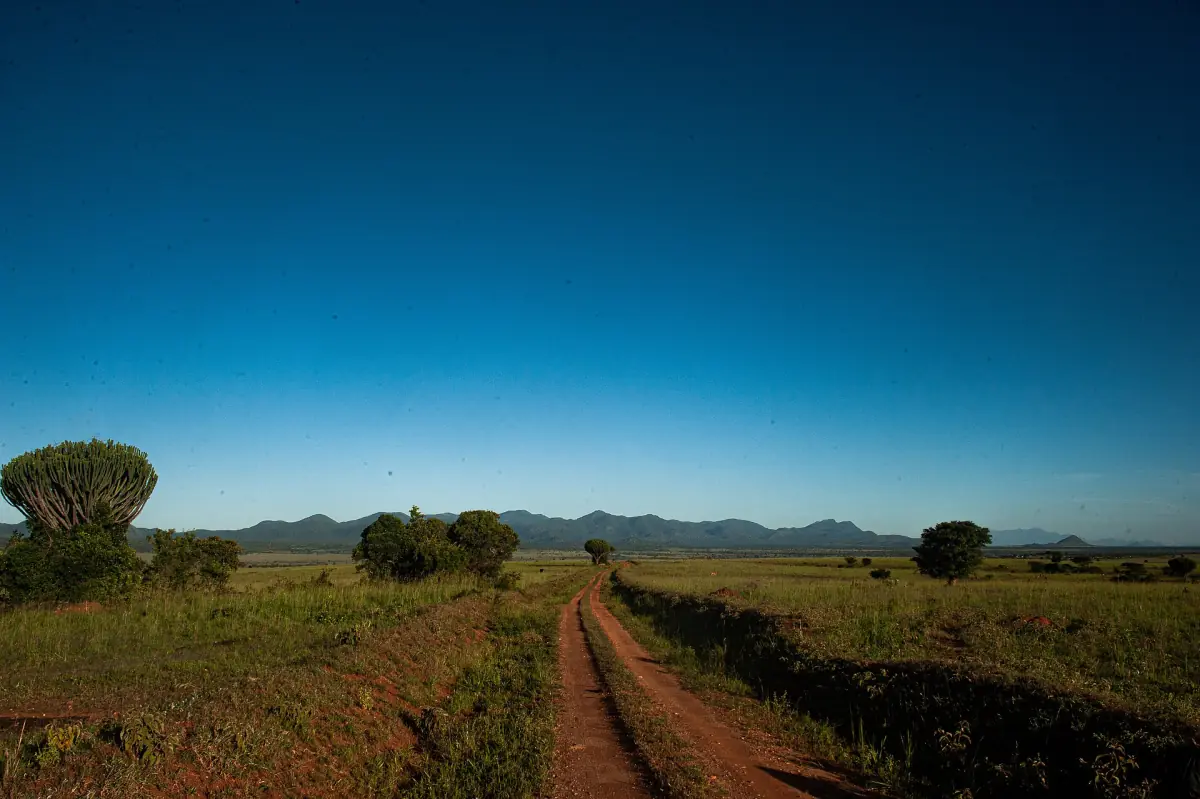
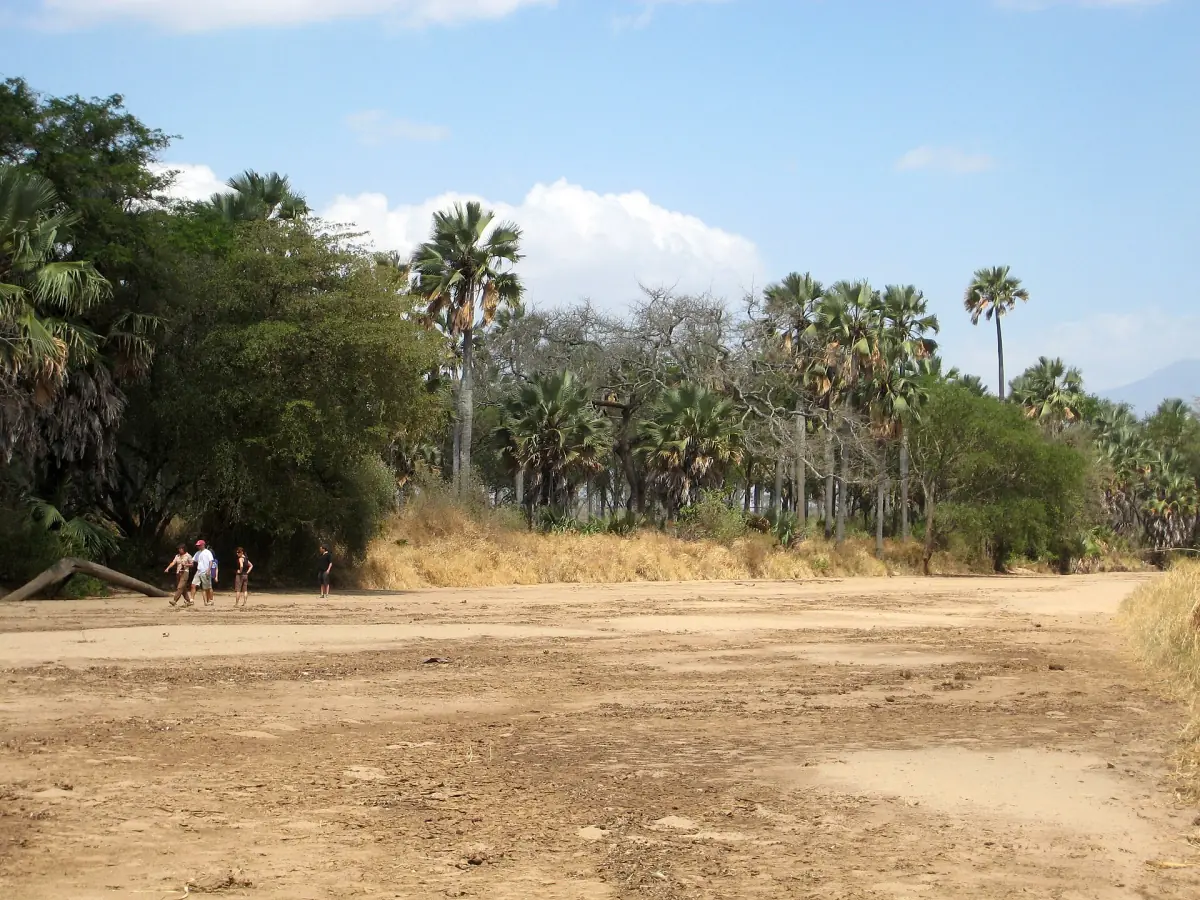
The Narus Valley is the part of Kidepo Valley National Park where most game drives happen, with the Narus and Kidepo river system running through it and Apoka as the park's centre. Both rivers dry up above ground in the dry season, but pools stay behind. Those pools hold the remaining water, and animals gather around them. That is why the valley is the main place to look for wildlife.
If you want to book a day drive or a multi-day trip, start with the Kidepo safari page. This page explains the valley itself: what it is, where the loops run and what to expect on the track.
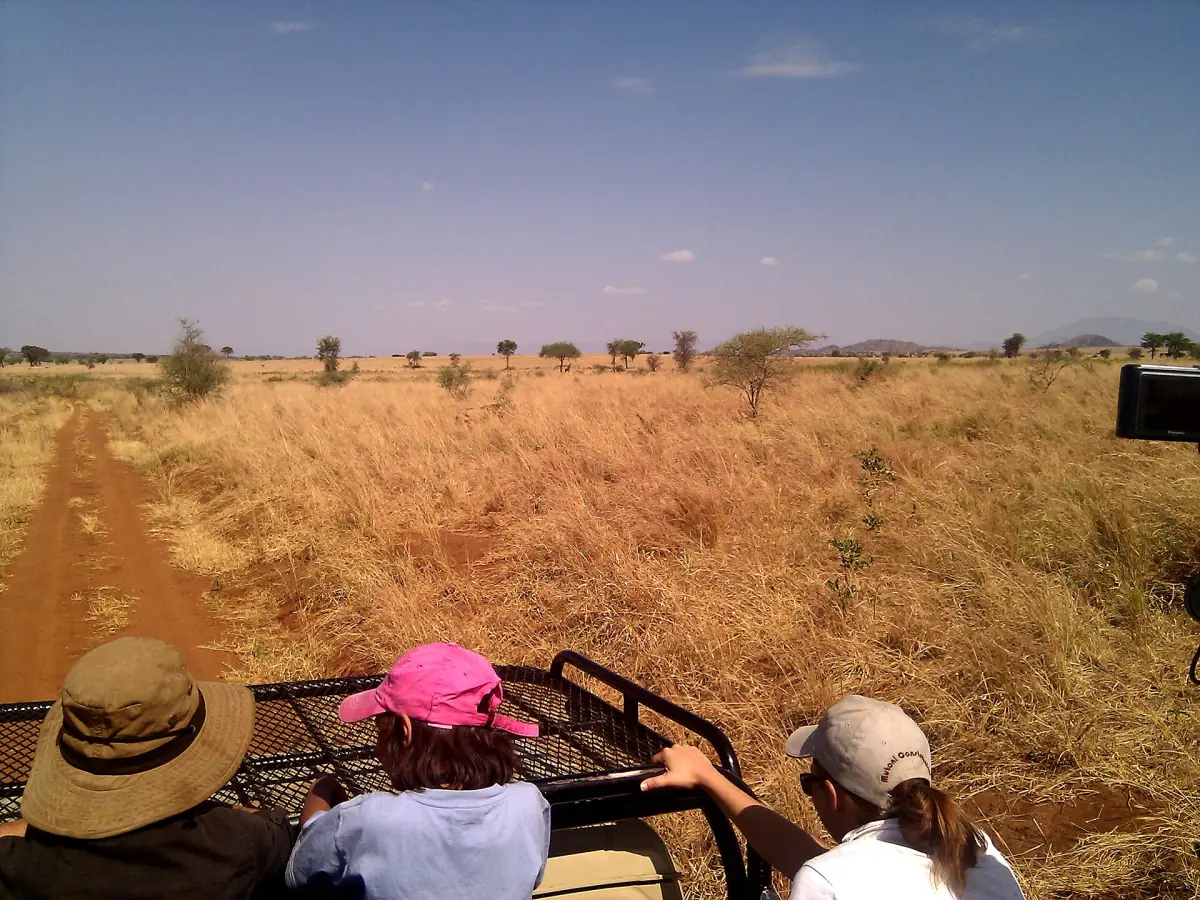
Our pick: a route through the Narus Valley
This six-day route names the Narus Valley, the Kidepo riverbed and the Kanangorok springs in its itinerary.
Hand-picked tours, booked through GetYourGuide. Prices are indicative starting prices in US dollars (as of October 2026). Tap a tour for live availability and the current price in your currency.
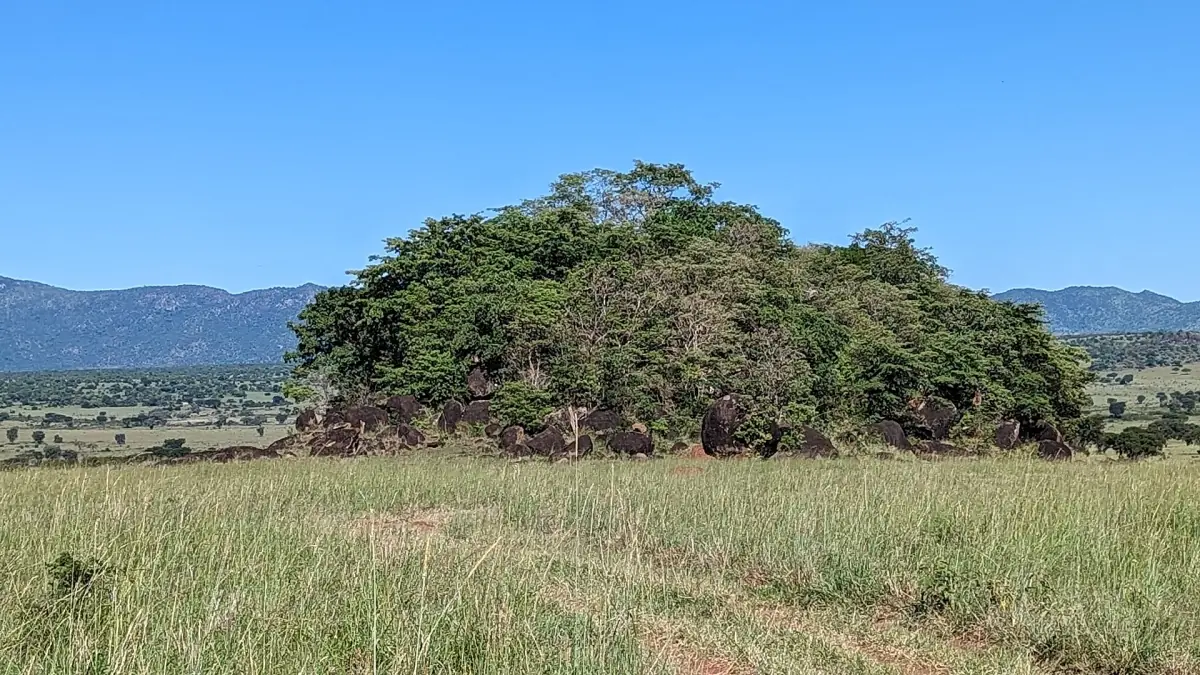
Kidepo safaris through the Narus Valley
Game drives and multi-day safaris to the Narus Valley, with live prices and availability. Compare what each trip includes before you book.
The loops of the Narus Valley
Three circuits are named for game drives.
Kakine
One of the three named loops through the valley. A campsite carries the same name.
Katurum
A second loop. Ask your guide how long it takes and which animals were seen there recently.
Nagusokopire
The third loop, which also gives its name to a campsite.
Crocodile Pool
A pool that holds water only in part of the year. Do not plan around seeing crocodiles there.
Which loops are open can change with the rains and the state of the tracks. Ask at the park or your guide which ones you can drive on your dates, and treat any distance or timing you hear as a rough guide.
Why the Narus Valley draws animals
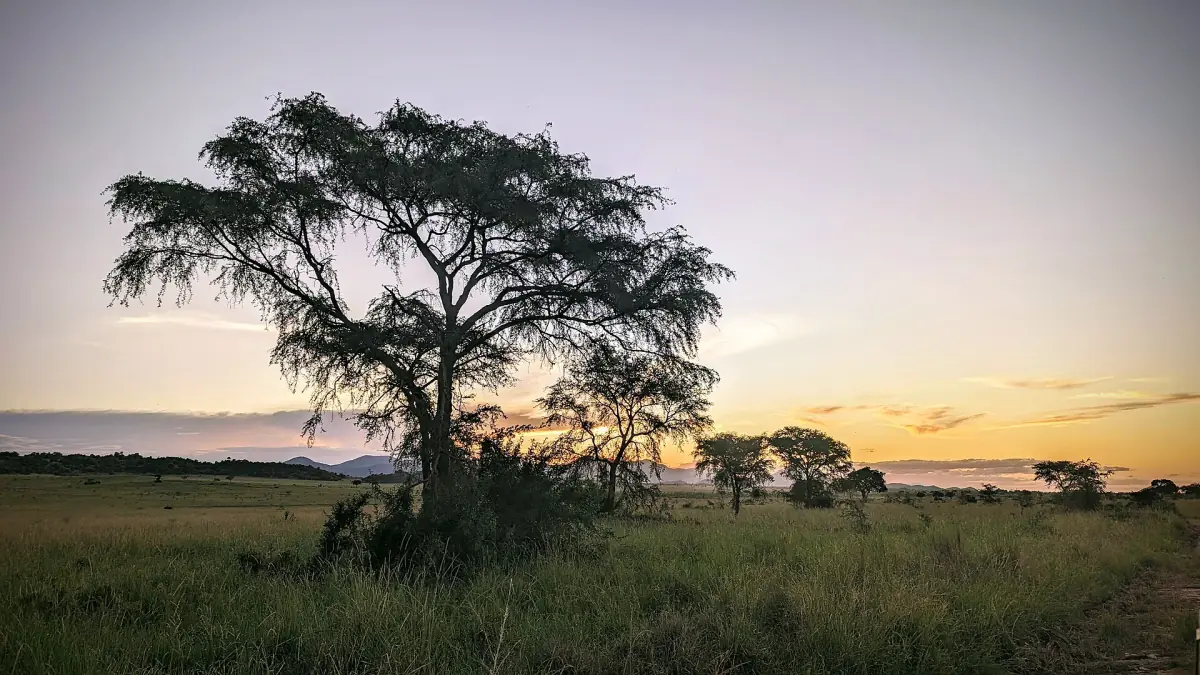
In the dry season the rivers do not flow on the surface, but the Narus Valley keeps pools. Buffalo, elephants, zebras and giraffes live in the park, and animals gather at the remaining water. That concentration is why the valley is the focus of a Kidepo safari.
The wet season changes the picture. The grass grows tall, water is spread across the landscape and animals scatter. You can still see animals, but you may need more time. Read the weather and best time page to plan the season.
What you can see here
Elephants, buffalo, zebras, giraffes, lions and ostriches live in the park, and cheetahs are rare. See the wildlife guide for what lives where.
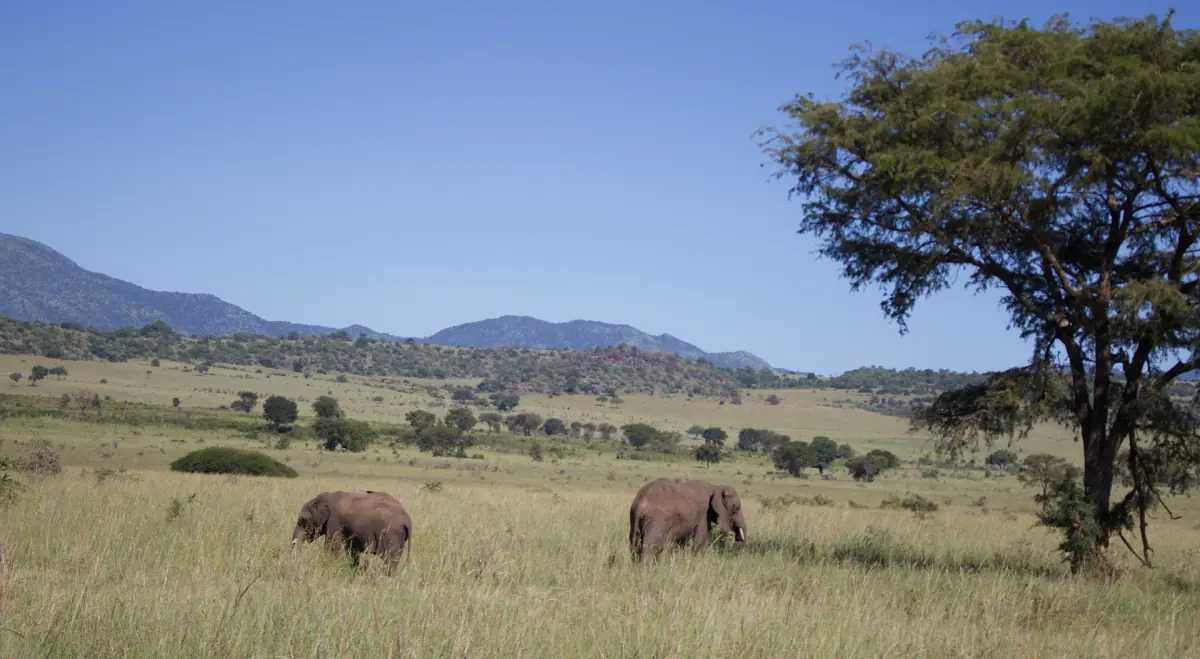
Ways to drive the valley
Fees for foreign non-residents, UWA tariff for July 2024 to December 2026.
| Option | Who it suits | Fee |
|---|---|---|
| Day drive with a guide | Most visitors | $20 to $25 per guide, plus entry and vehicle fee |
| Night drive | Guests who sleep in the park, with a UWA guide | $30 per person |
| Self drive | Visitors who know the area and bring their own vehicle | $10 per vehicle, plus entry and vehicle fee |
| Bird or nature walk | Birders and walkers, with a ranger | $25 |
Confirm the day guide fee in writing. Vehicle fees for 24 hours with a foreign registration are $40 for a saloon car, $50 for a minibus or pick-up and $150 for a tour vehicle or 4x4. Prices can change, so check the current amount before you book. For tours, check whether permit and park fees are included. All rates are on the park fees page.
For most visitors, a day drive with a guide is a good way to cover the valley. Self drive suits people who are comfortable on rough tracks. Stay on the tracks, keep to 40 km/h and do not leave the vehicle near animals.
Getting to the valley
The road north is long.
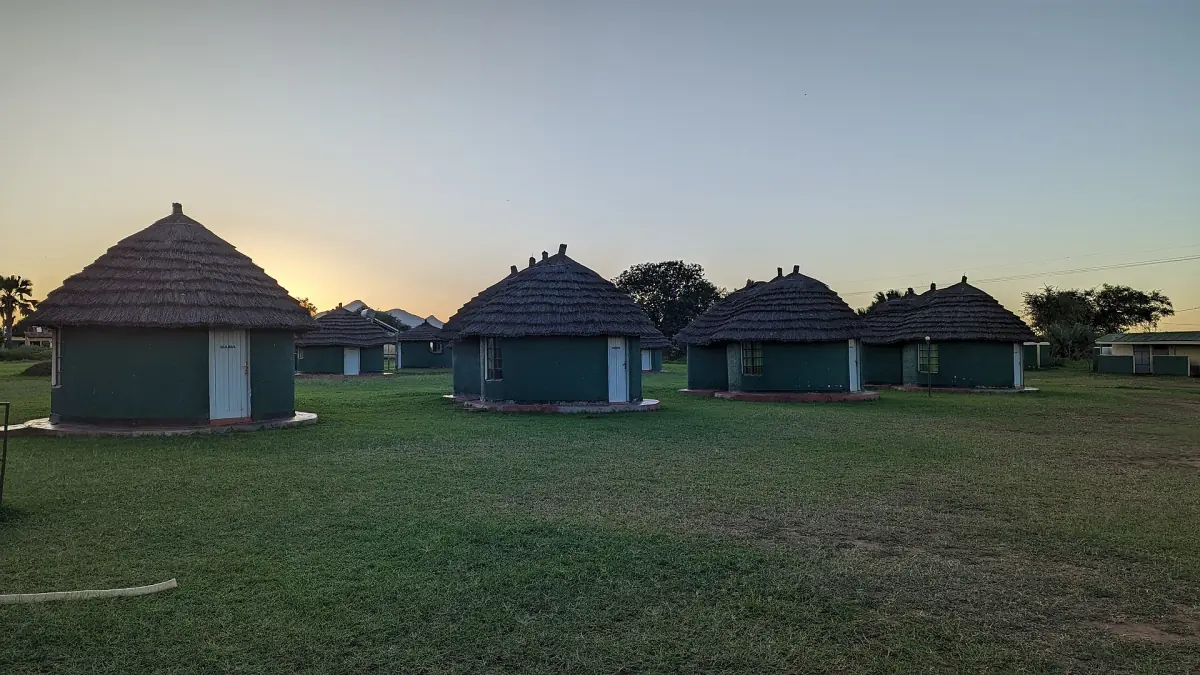
The valley lies near Apoka in the north-east of Uganda. The usual road from Kampala runs through Gulu and Kitgum, and the route from Kampala page has the stages and the options. Some travellers break the long drive with a stop on the way north, for example at Murchison Falls, and the Murchison Falls getting-there guide covers that region. Stay overnight inside or near the park if you want to be on the track at sunrise. The accommodation page lists the types of stay.
Narus Valley: frequently asked questions
What is the Narus Valley?
It is the main game drive area of Kidepo Valley National Park. The Narus and Kidepo rivers run through it, and in the dry season the pools that remain draw animals.
Does the Narus River flow all year?
No. The rivers dry up above ground in the dry season, and pools remain. Do not expect running water.
Which loops are there?
Kakine, Katurum and Nagusokopire are the named loops. Crocodile Pool is a seasonal feature. Ask which loops are open on your dates.
How much does a game drive in the Narus Valley cost?
A guide for a day drive costs $20 to $25 for foreign non-residents, plus park entry of $40 per adult and a vehicle fee. A night drive costs $30 per person. Check the current amount before you book.
Can I see crocodiles at Crocodile Pool?
The pool holds water for part of the year. A sighting is not guaranteed.
What are the vehicle fees?
For 24 hours with a foreign registration, a saloon car pays $40, a minibus or pick-up $50 and a tour vehicle or 4x4 $150 (UWA tariff for July 2024 to December 2026).