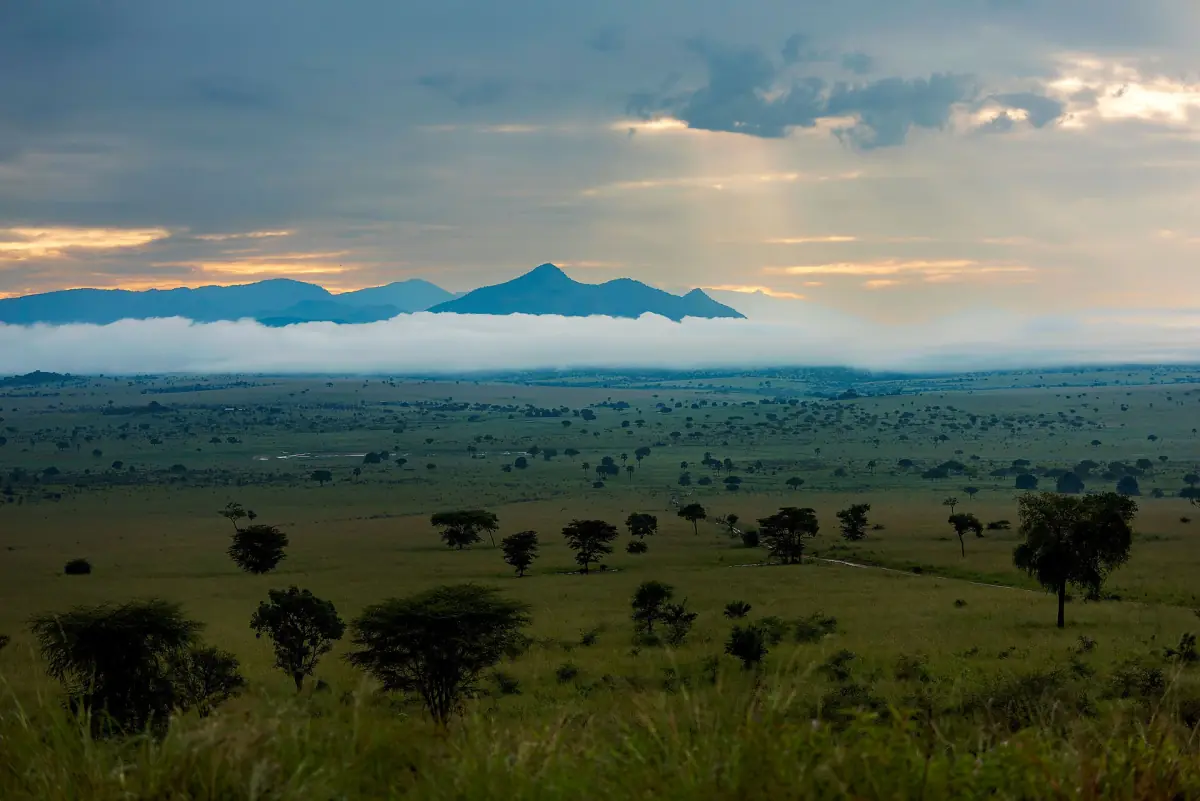
Kidepo history at a glance
The area was set aside as a game reserve in 1958 and became a national park in 1962. It was extended in 1967. These are three different steps, so do not mix up the founding of the reserve with the national park status. Today the park covers 1,442 km² in Karamoja, in the northeast of Uganda.
The story is not only about animals. People lived in this landscape long before the park, and the years of heavy poaching left real marks. If you are planning a visit, start with the Kidepo safari guide and use this page to understand what you are looking at.
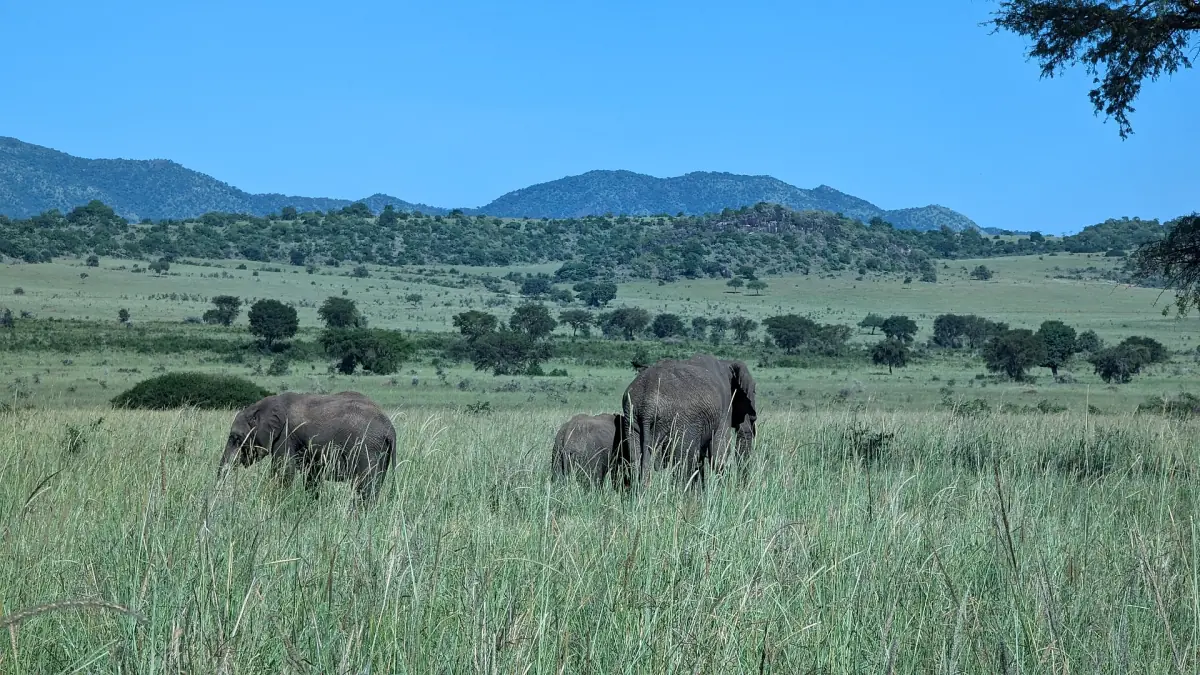
From game reserve to national park
The three steps in order.
1958: the game reserve
The area was first protected as a game reserve. This is the start of the formal protection story, but not yet a national park.
1962: the national park
The reserve became Kidepo Valley National Park. Park status dates from this year.
1967: the extension
The park grew in size. Its area today is 1,442 km², and its altitude ranges from 914 m to 2,750 m.
Our pick: a route through Karamoja
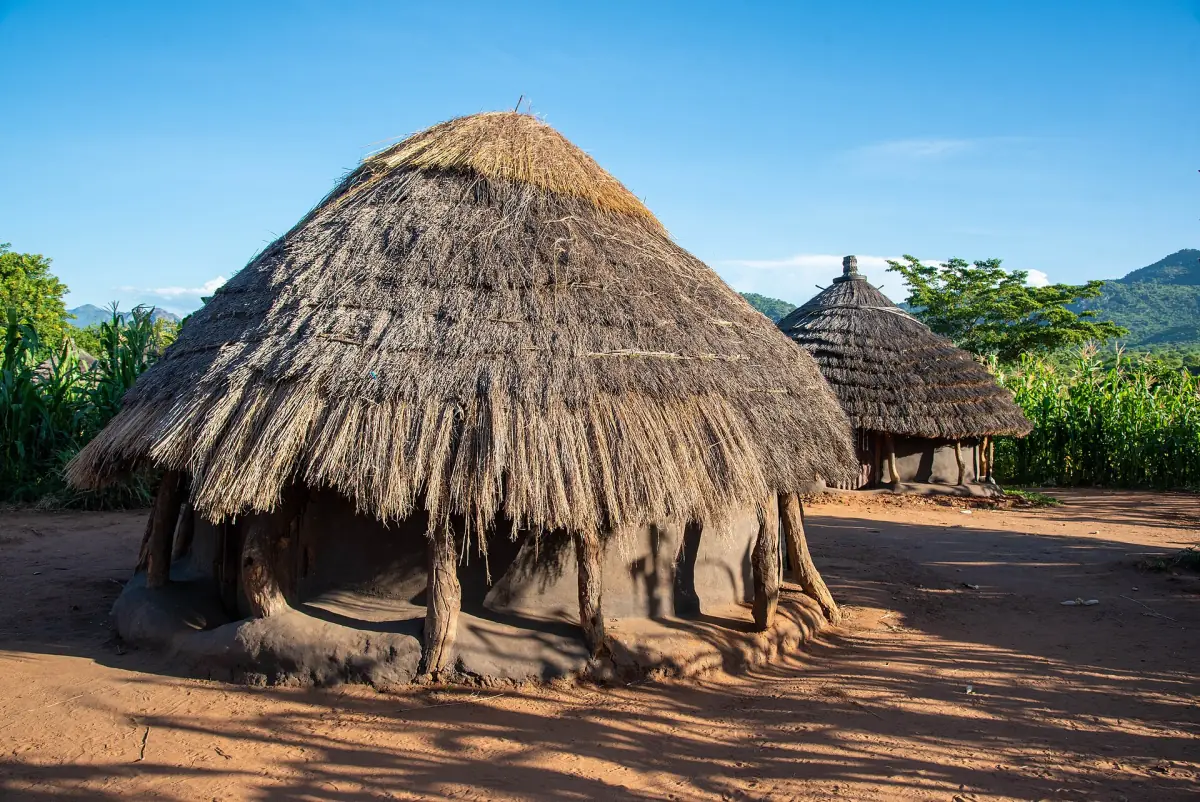
This route stops in Moroto, with a visit to the Karamoja Museum and a village that adds background on the region around the park.
Hand-picked tours, booked through GetYourGuide. Prices are indicative starting prices in US dollars (as of October 2026). Tap a tour for live availability and the current price in your currency.
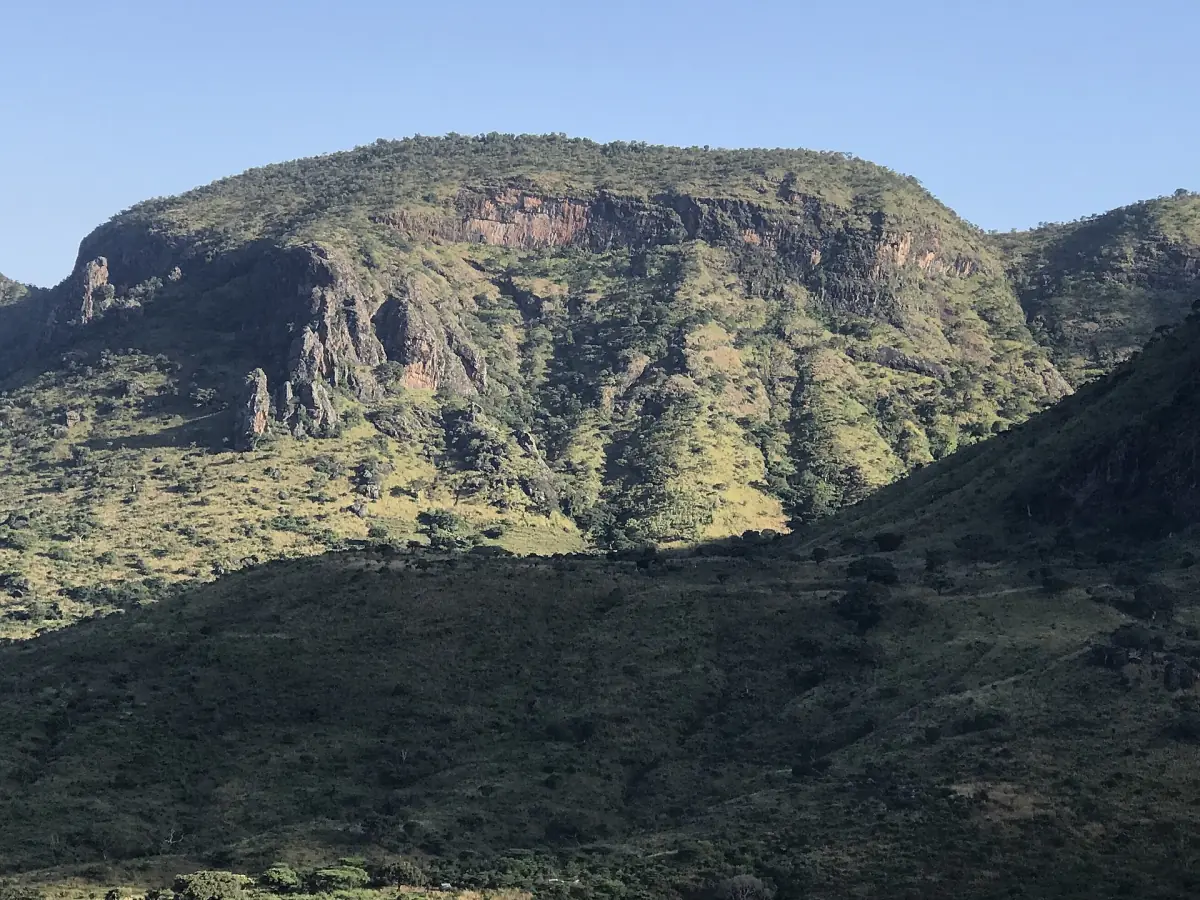
Kidepo safaris and trips from Kampala
See the park that this history created. Compare multi-day safaris and transfers, and check what each one includes.
People and the park: the Ik
The park was not created in an empty landscape. Ik communities lived in the Morungole and Timu area, and they lost land there when it was turned into national park area. The removal is not tied to a single date. This is part of the park's history.
For the full story of the community, their language and how visits work, read the guide to the Ik people of Mount Morungole.
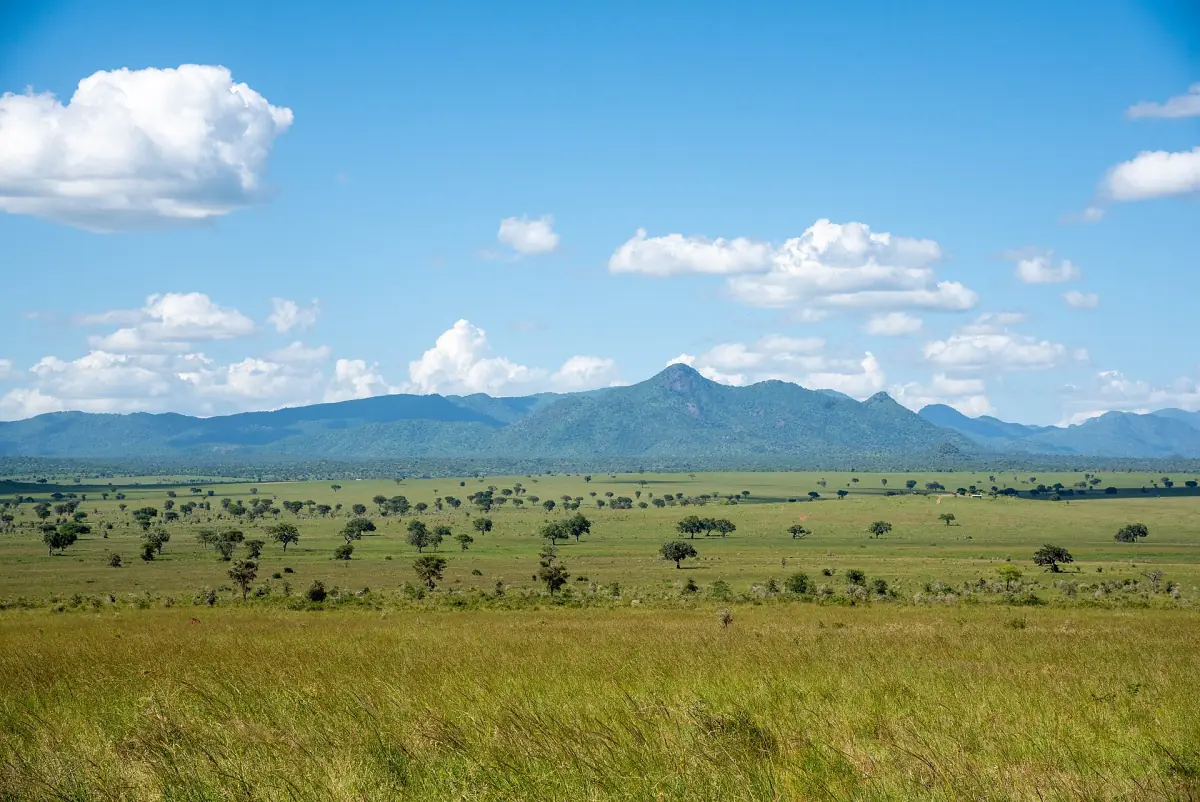
Poaching and decline
Heavy losses, then a slow recovery.
Poaching caused heavy losses of wildlife in the late 1970s and the 1980s. Wildlife did not simply grow back in a straight line, so the story is not one of steady success. Some small predators once listed for the park, such as the caracal, striped hyena and aardwolf, should not be counted on today.
Today's wildlife is described in the Kidepo wildlife guide.
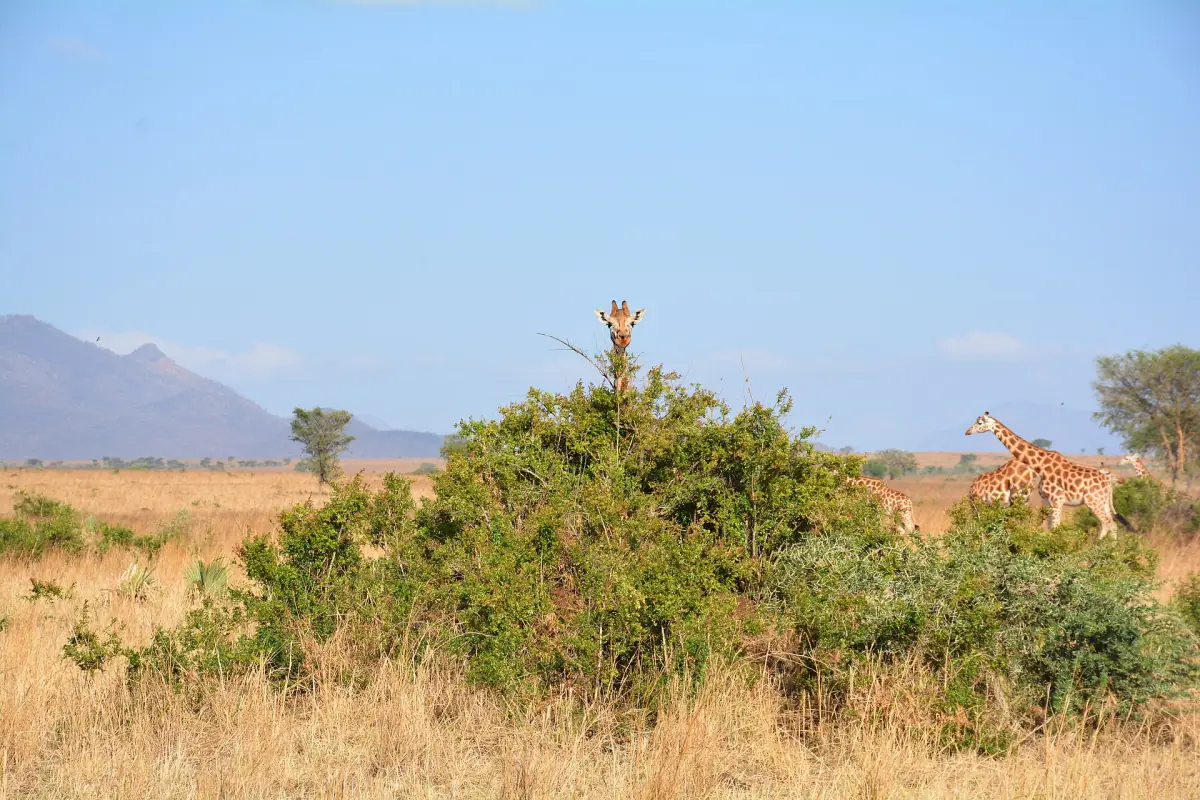
Giraffes from Murchison Falls in 2018
In 2018, 14 giraffes from Murchison Falls were moved to Kidepo. The animals are known as Nubian giraffes, which were formerly called Rothschild's giraffes. This move is not the same as the giraffe reintroductions at Lake Mburo.
For the park these animals came from, see the Murchison Falls history page.
Rhinos return in March 2026
A new chapter for the park.
In March 2026 southern white rhinos were brought back to Kidepo. Two arrived first and two more followed a few days later, which makes four animals at first, in a secured habitat. Eight animals were planned in all.
Rhinos are back in Kidepo, but do not assume that rhino tracking is open to visitors. Ask what is currently offered before you plan around it.
The park today
What the landscape looks like now.
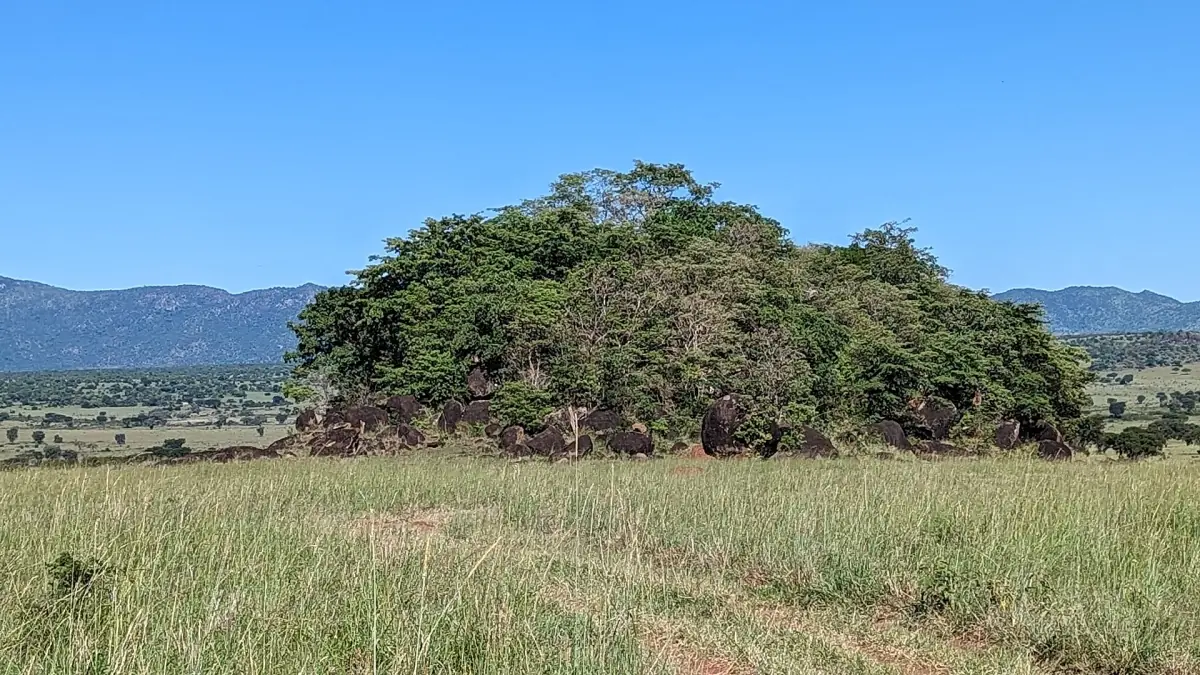
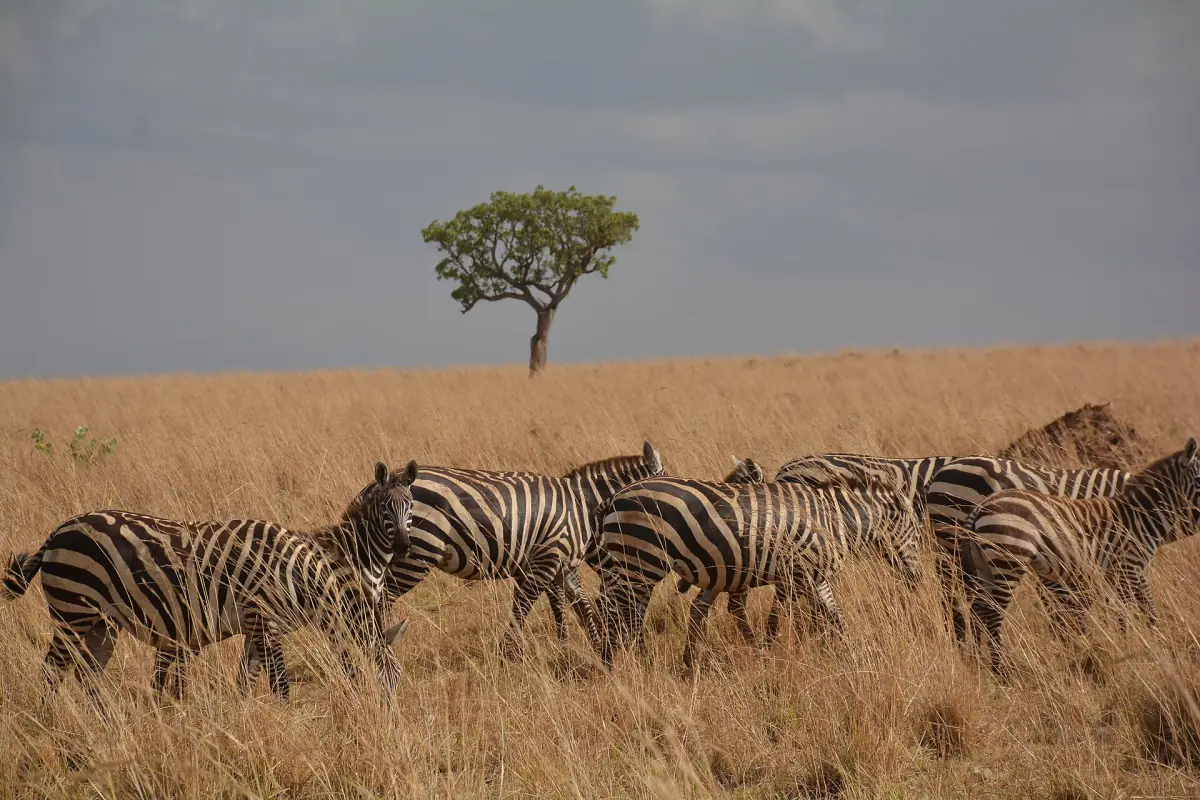
The park is built around the Narus and Kidepo river systems, with Apoka at its centre. In the dry season the rivers dry up on the surface, but pools of water remain, and wildlife gathers around them. That is the reason the Narus Valley is the main game drive area.
The park covers 1,442 km² and rises from 914 m to 2,750 m. The South Sudan border lies to the northwest, and Kenya is roughly 5 km to the east.
Kidepo timeline
The dates from this page in one table.
| Year | What happened |
|---|---|
| 1958 | The area becomes a game reserve |
| 1962 | Kidepo becomes a national park |
| 1967 | The park is extended |
| Late 1970s and 1980s | Heavy poaching losses |
| 2018 | 14 giraffes arrive from Murchison Falls |
| 1 July 2019 | Karenga begins working as its own district, separate from Kaabong |
| March 2026 | Southern white rhinos return, four at first |
If you want one thing to take with you, it is that the park has changed several times, in land, in people and in wildlife. The Karamoja guide explains the region around it.
Kidepo history: frequently asked questions
When did Kidepo become a national park?
Kidepo became a national park in 1962. It had been a game reserve since 1958 and was extended in 1967.
What is the difference between the reserve and the park?
The game reserve came first, in 1958, and national park status followed in 1962. They are two different steps, so use the right year for each.
What happened to the Ik when the park was created?
Ik communities in the Morungole and Timu area lost land when it was turned into park area. The removal is not tied to a single date.
Were there rhinos in Kidepo?
Southern white rhinos were brought back in March 2026, four animals at first, in a secured habitat. Do not assume that rhino tracking is open to visitors.
Where did Kidepo's giraffes come from?
In 2018, 14 giraffes were moved from Murchison Falls to Kidepo. They are Nubian giraffes, formerly called Rothschild's giraffes.
How big is the park?
Kidepo covers 1,442 km² and rises from 914 m to 2,750 m. South Sudan lies to the northwest and Kenya about 5 km to the east.