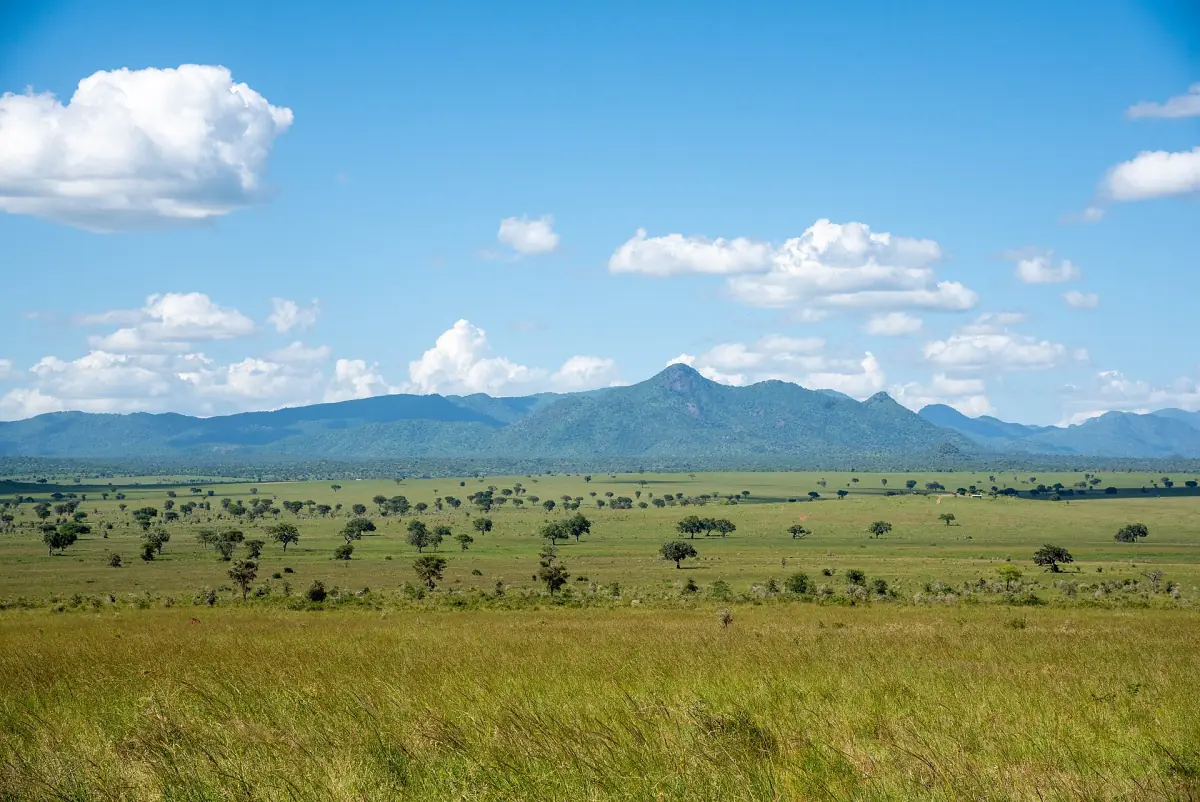
The Ik people of Mount Morungole
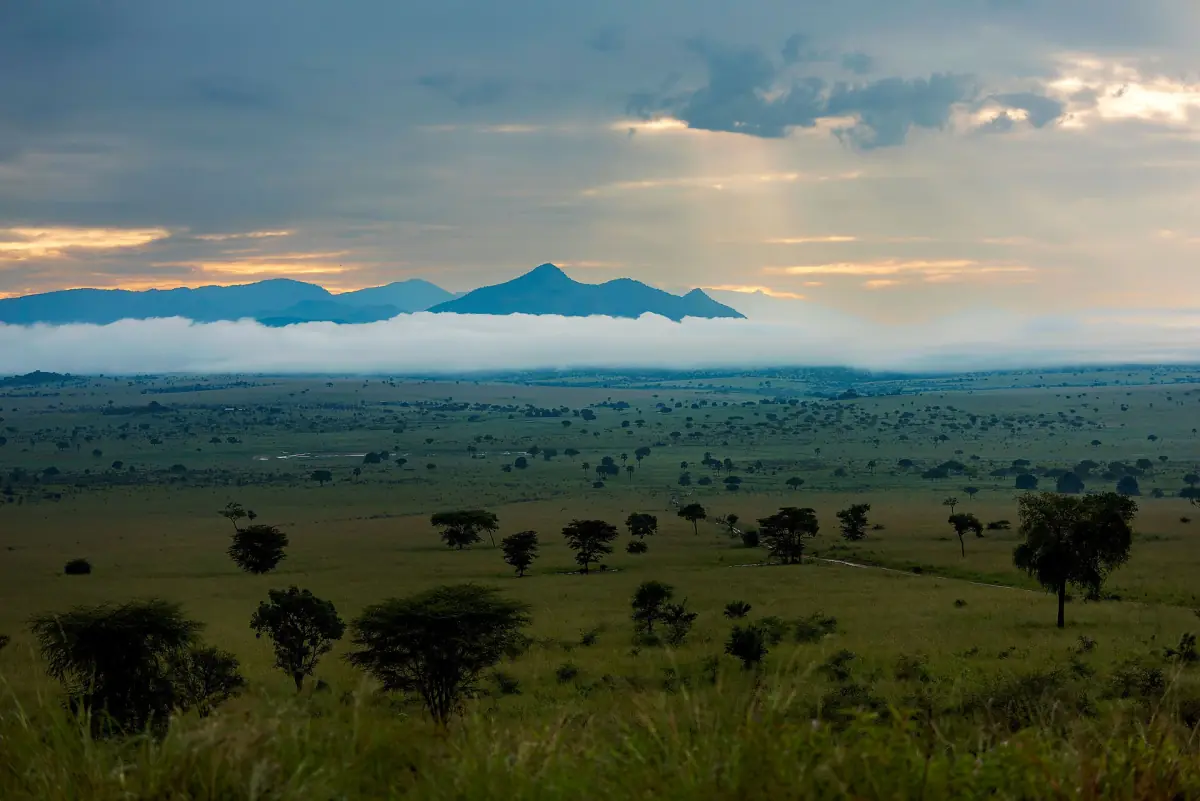
The Ik live in the mountains of northeast Uganda, in the area around Mount Morungole and Timu, next to Kidepo Valley National Park. They speak their own language, Icé-tód, and are a distinct community. They are not Karamojong, and the two should not be mixed up.
Their story is tied to the park. When land was turned into national park area, the Ik were pushed away from parts of it. This page covers that history and what it means for a visit today. If you are still planning the wider trip, start with the Kidepo safari guide or the guide to the Karamoja region.
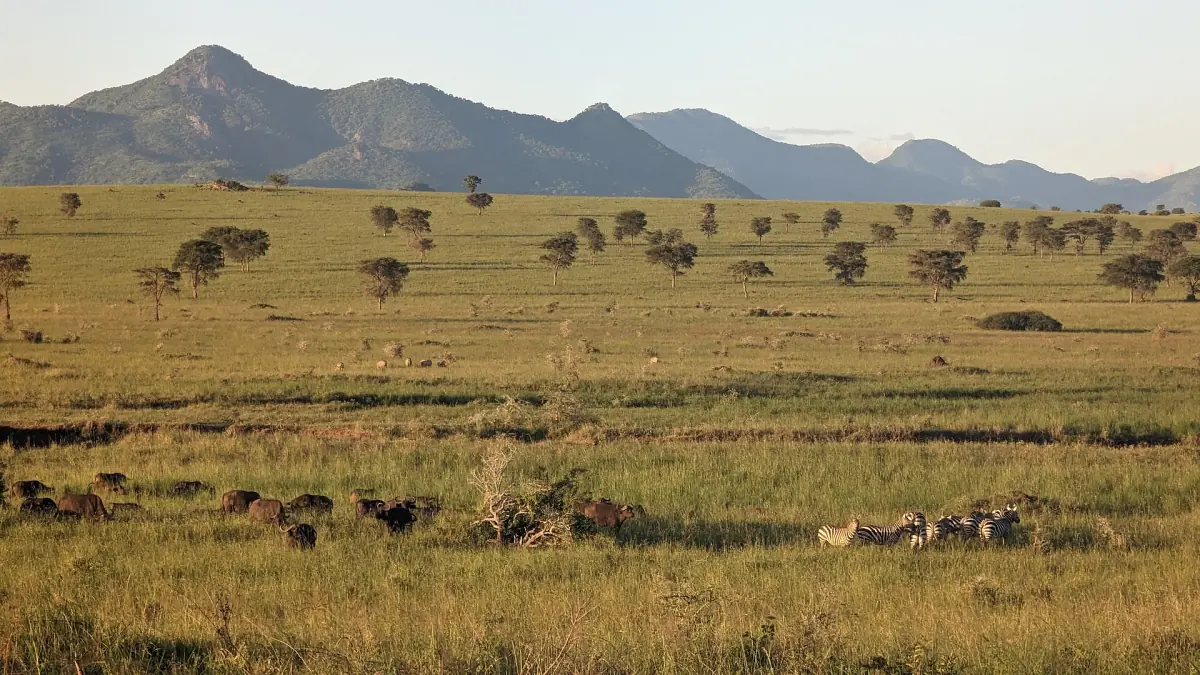
Who the Ik are
A mountain community with its own language.
Gardening, beekeeping, hunting and gathering are all part of Ik life. That mix matters, because the Ik are often described only as hunters. They are not only hunters, and they are not the same people as the Karamojong, who are cattle herders on the plains.
Treat the Ik as a community with its own decisions and priorities, not as a stop on an itinerary.
Our pick: a Kidepo trip with an Ik visit
This is the one reviewed trip that lists a visit with the Ik and the Mount Morungole hike. Ask about current access and community arrangements before you book.
Hand-picked tours, booked through GetYourGuide. Prices are indicative starting prices in US dollars (as of October 2026). Tap a tour for live availability and the current price in your currency.
Kidepo safaris and trips from Kampala
Ik communities are close to the park, but visits are arranged separately. These safaris and transfers cover the park and the road to it. Check what each one includes.
History: land, the park and displacement
Ik communities lived in the Morungole and Timu area and lost land there when it was turned into national park area. The removal is not tied to a single date. What is clear is that the park was not created in empty country. People lived there.
This is part of the larger story of the park, which became a national park in 1962. You can read the full timeline on the Kidepo history page.
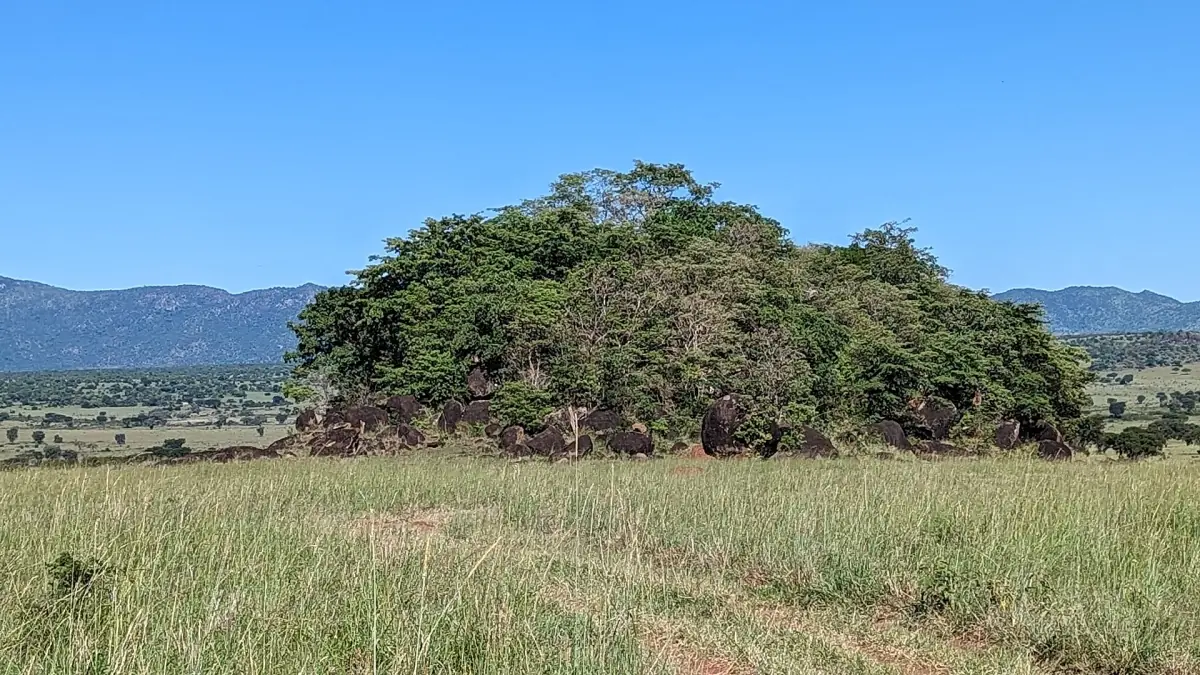
The Mountain People and its critics
A famous book, and a fair response to it.
The anthropologist Colin Turnbull published The Mountain People in 1972. It became widely known and described the Ik as a selfish society. Later research does not accept that picture. The study Generosity among the Ik of Uganda argues against the idea of a selfish culture and places the observations in a time of severe famine.
If you meet the Ik, or read about them, leave the old stereotype behind. A community under extreme hardship is not defined by how it behaved in the worst of times.
Visiting the Ik
A visit needs preparation, not a drive-up.
Arrange it in advance
Visits have to be organised beforehand through the park or a licensed guide. They are not an open door every day, so do not turn up unannounced.
Agree the terms
Ask about the fee, the walk length, the duration and the group size when you arrange the visit. Settle what you pay and what it covers before you go.
Check the current situation
Ask about access, the walking route and local conditions close to your date. Security advice for the northeast changes, so read the dated notes on the Karamoja page.
Ask before you photograph
A visit is a meeting between people. Ask for permission, and accept a no.
Ik and Karamojong compared
Two different peoples of the northeast.
| Question | The Ik | The Karamojong |
|---|---|---|
| Where | The mountains around Morungole and Timu | The wider region of Karamoja |
| Livelihood | Gardening, beekeeping, hunting and gathering | Cattle herding, with many ways of life around it |
| Homes | Mountain communities | Homesteads called manyattas |
| Language | Icé-tód | Their own language |
For most readers, the most useful point is the simplest one: do not use the two names for each other. The Karamoja guide covers the Karamojong.
About Mount Morungole
One mountain, two spellings, several heights.
The mountain is spelled Morungole or Morungule. Its height is given as roughly 2,570 m to 2,750 m, and the park as a whole ranges from 914 m to 2,750 m in altitude. Treat the numbers as approximate.
For the lowland game drives, see the Narus Valley guide.
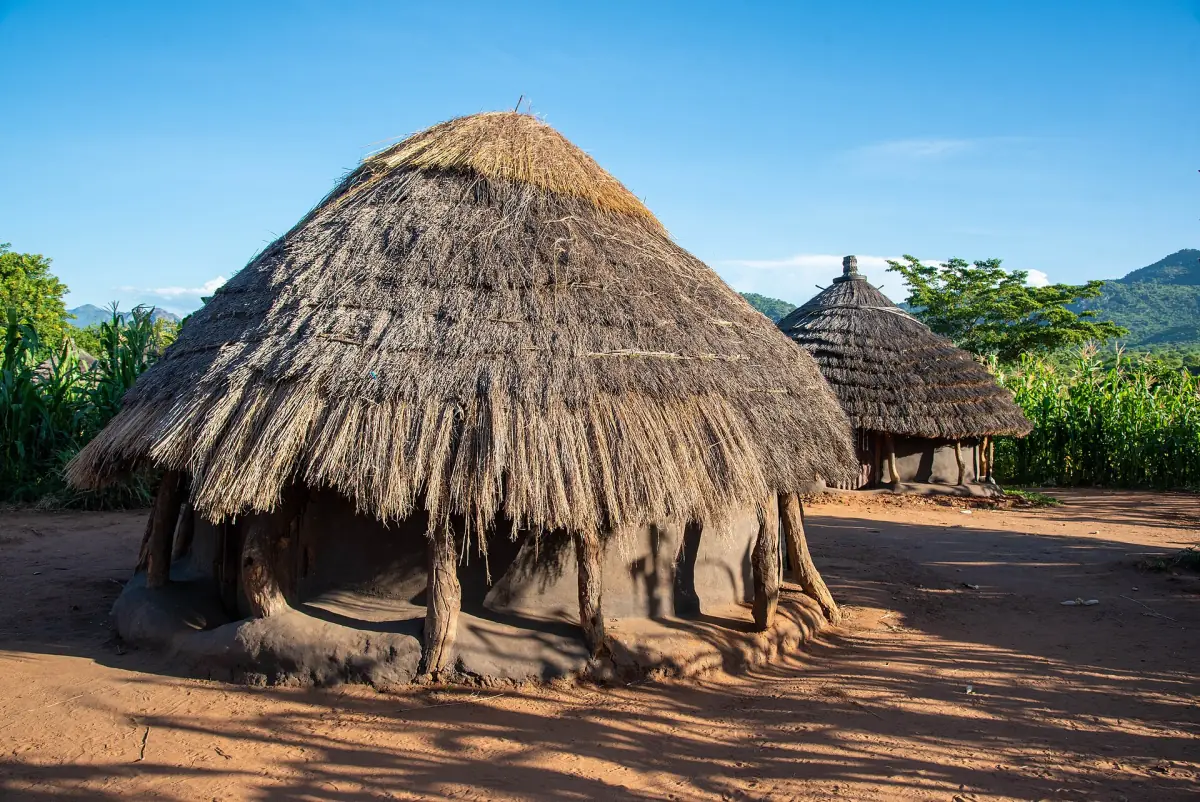
The Ik people: frequently asked questions
Who are the Ik?
The Ik are a small community living in the mountains of northeast Uganda around Mount Morungole, close to Kidepo Valley National Park. They speak their own language, Icé-tód.
Are the Ik the same as the Karamojong?
No. The Ik and the Karamojong are different peoples with different languages and ways of life. The Karamojong are cattle herders, and the Ik live from gardening, beekeeping, hunting and gathering.
Why did the Ik lose land to the park?
Ik land was turned into national park area, and the community lost the use of it. The removal is not tied to a single date.
Can I visit the Ik at Mount Morungole?
Visits need to be arranged beforehand through the park or a licensed guide. Access is not free and open, and the current terms and prices should be agreed before you go.
What is The Mountain People?
It is a book by Colin Turnbull, published in 1972, about the Ik. Later research criticises the idea of a selfish Ik culture and sets the book's observations in a period of severe famine.
How high is Mount Morungole?
Its height is roughly 2,570 m to 2,750 m. Treat the figure as approximate.