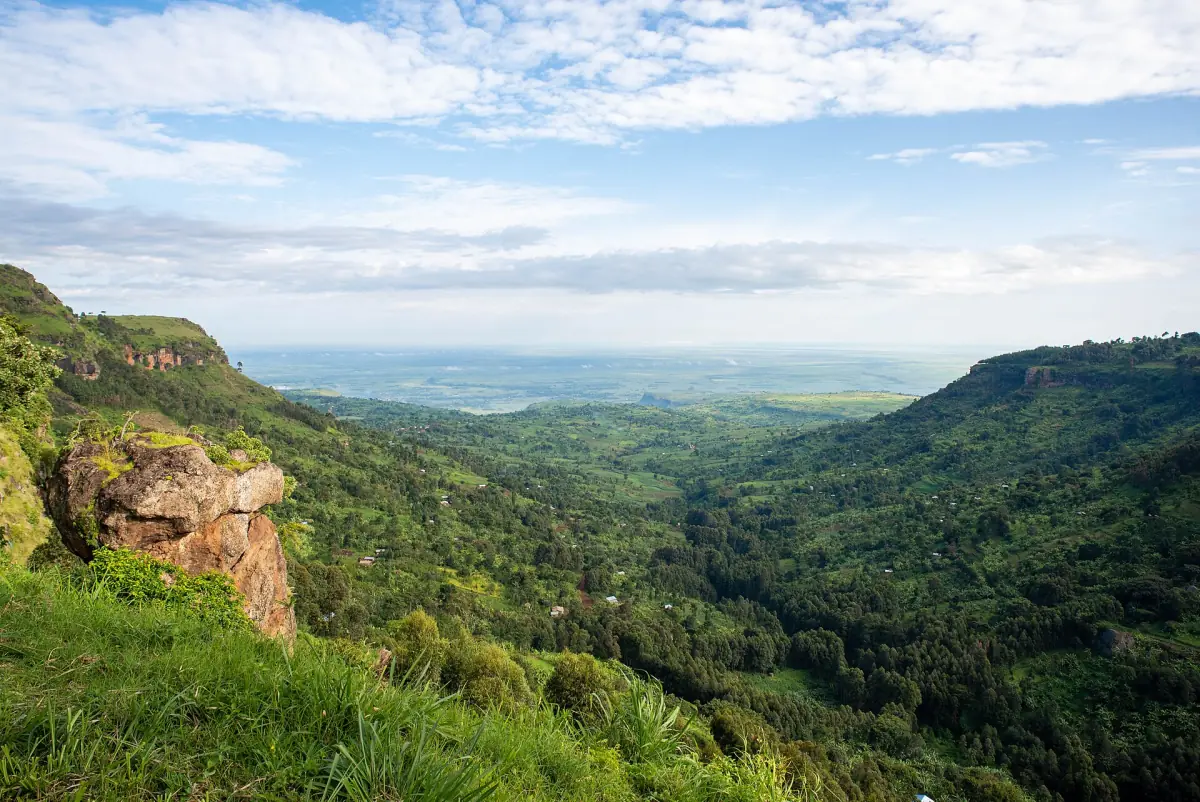
Karamoja and the Karamojong
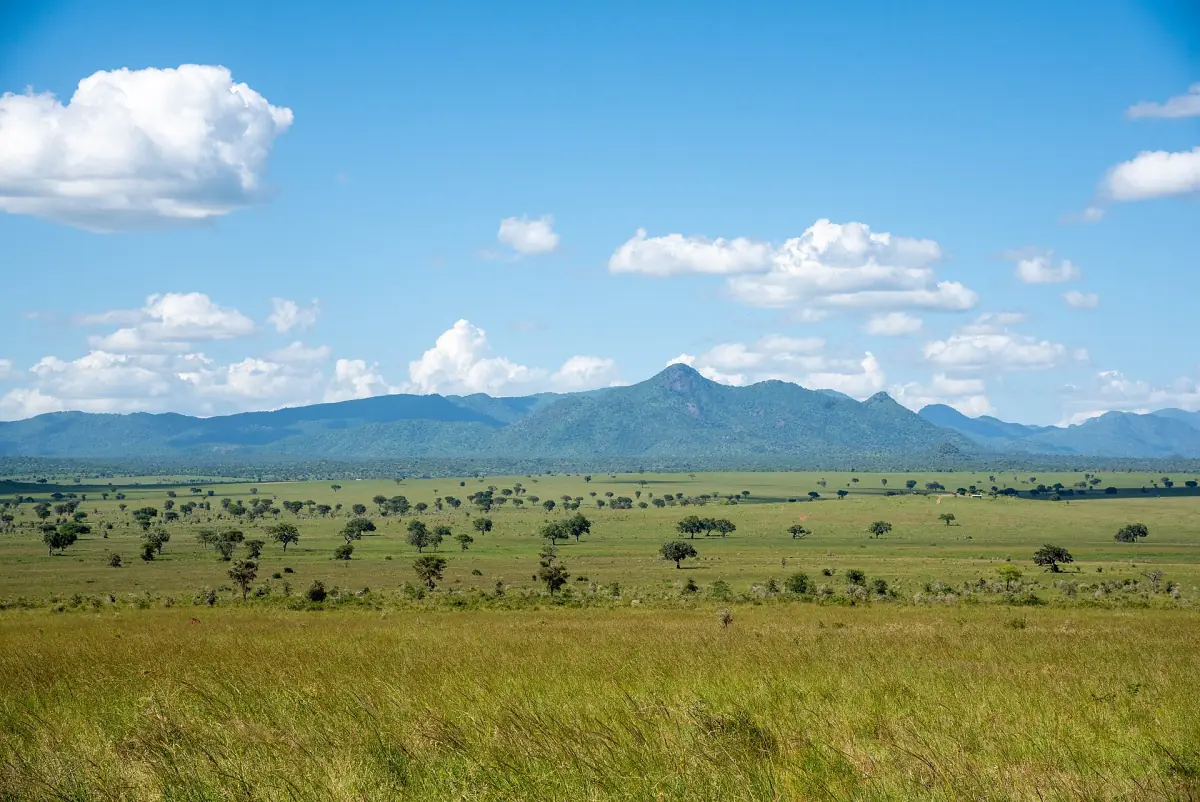
Karamoja is the region in the northeast of Uganda where Kidepo Valley National Park lies. It is not one district but a group of them: Abim, Amudat, Kaabong, Karenga, Kotido, Moroto, Nabilatuk, Nakapiripirit and Napak. South Sudan lies to the northwest of the park, and Kenya is roughly 5 km to the east. Most travellers meet Karamoja on the long drive to the park, so it helps to know a little about the people who live along the road.
The Karamojong are a pastoral people, and cattle are central to family life. If you are planning a trip to the park itself, start with our Kidepo safari guide and come back here to understand the landscape around it.
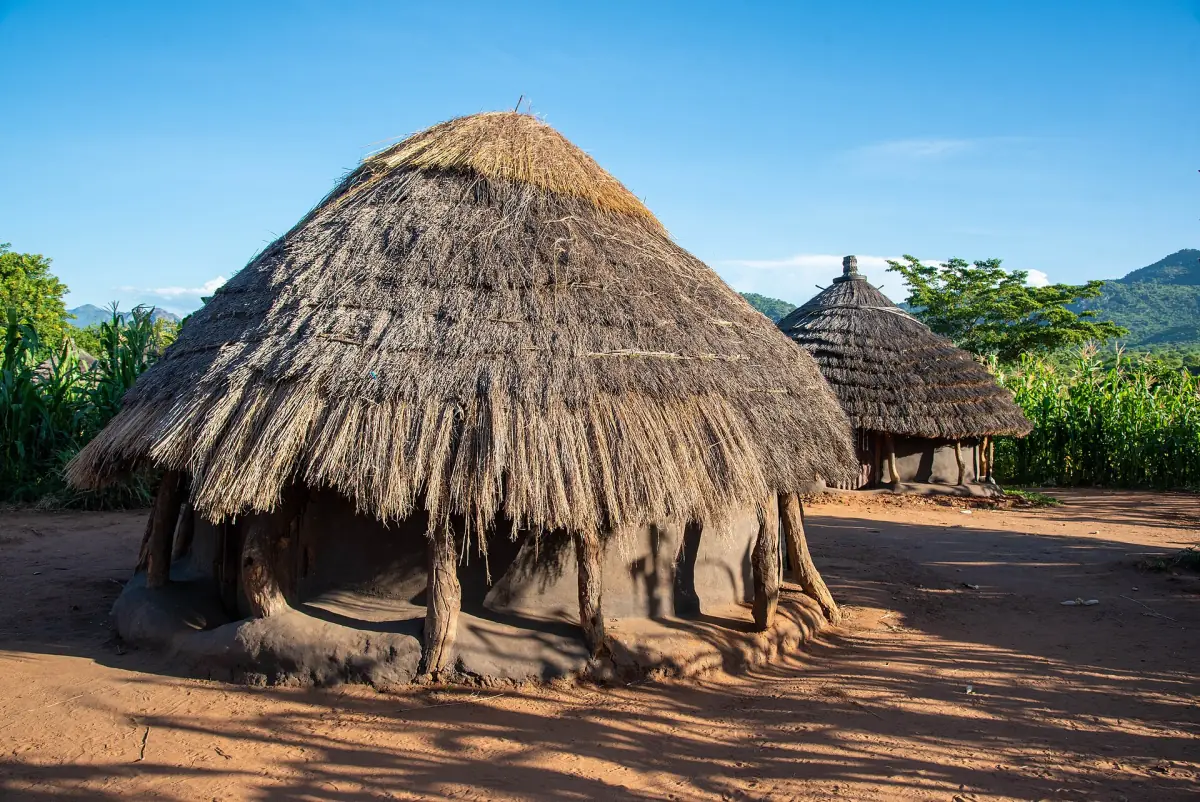
Karamojong people
Herders, but not one story.
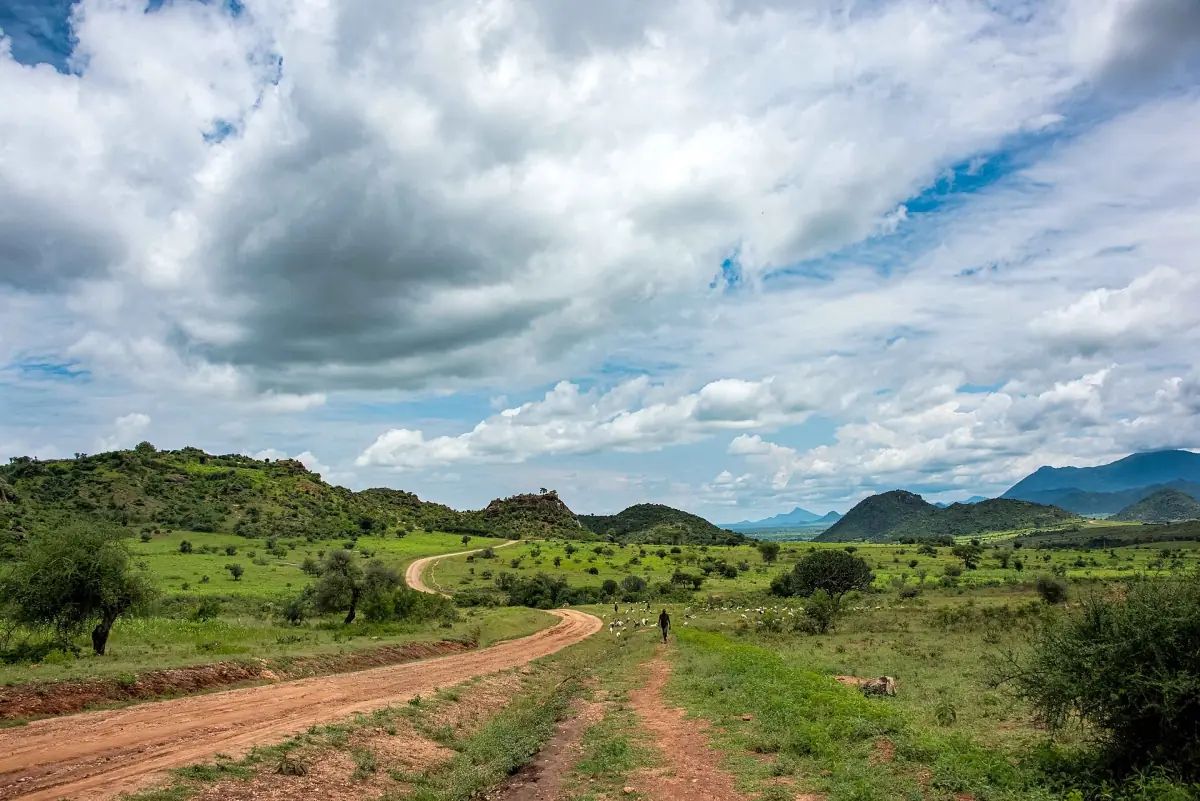
The Karamojong keep cattle, and herding shapes the year. That does not mean every family or every person lives a nomadic life. Homesteads, known as manyattas, are the settlements of the region, and people live in many different ways around them: some herd, some grow crops, and many do both when the weather allows.
Karamojong life today is not a museum piece. Clothing, work and daily routines change, and the region is facing drought this year. Treat any meeting as a conversation between equals, not as a show put on for visitors.
Our pick: a loop through eastern Karamoja
This four-day loop passes Mbale and Sipi before Kidepo and includes an encounter with Karamojong people.
Hand-picked tours, booked through GetYourGuide. Prices are indicative starting prices in US dollars (as of October 2026). Tap a tour for live availability and the current price in your currency.
Kidepo safaris and trips from Kampala
Karamoja is the setting for most Kidepo trips. See which multi-day safaris and transfers are on offer, and check what each one includes.
Towns and mountains: Moroto, Kotido and Kaabong
Names that appear on every map of the region.
Moroto
Moroto is a town, a district and a mountain. They share a name but are not the same thing, so check which one a guide or a map means. Do not plan to climb Mount Moroto without confirming current access first.
Kotido
Kotido is both a town and a district. It is one of the areas where drought and food shortages have hit hardest this year.
Kaabong
Kaabong is a town and a district, and it is another area hit hard by the drought. The district once included Karenga, which was split off and works as its own district since 1 July 2019. Karenga now borders South Sudan, Kitgum, Kotido and Kaabong.
Ask locally about fares, timetables and opening hours in these towns before you plan a route, and allow extra time for any drive outside the main roads.
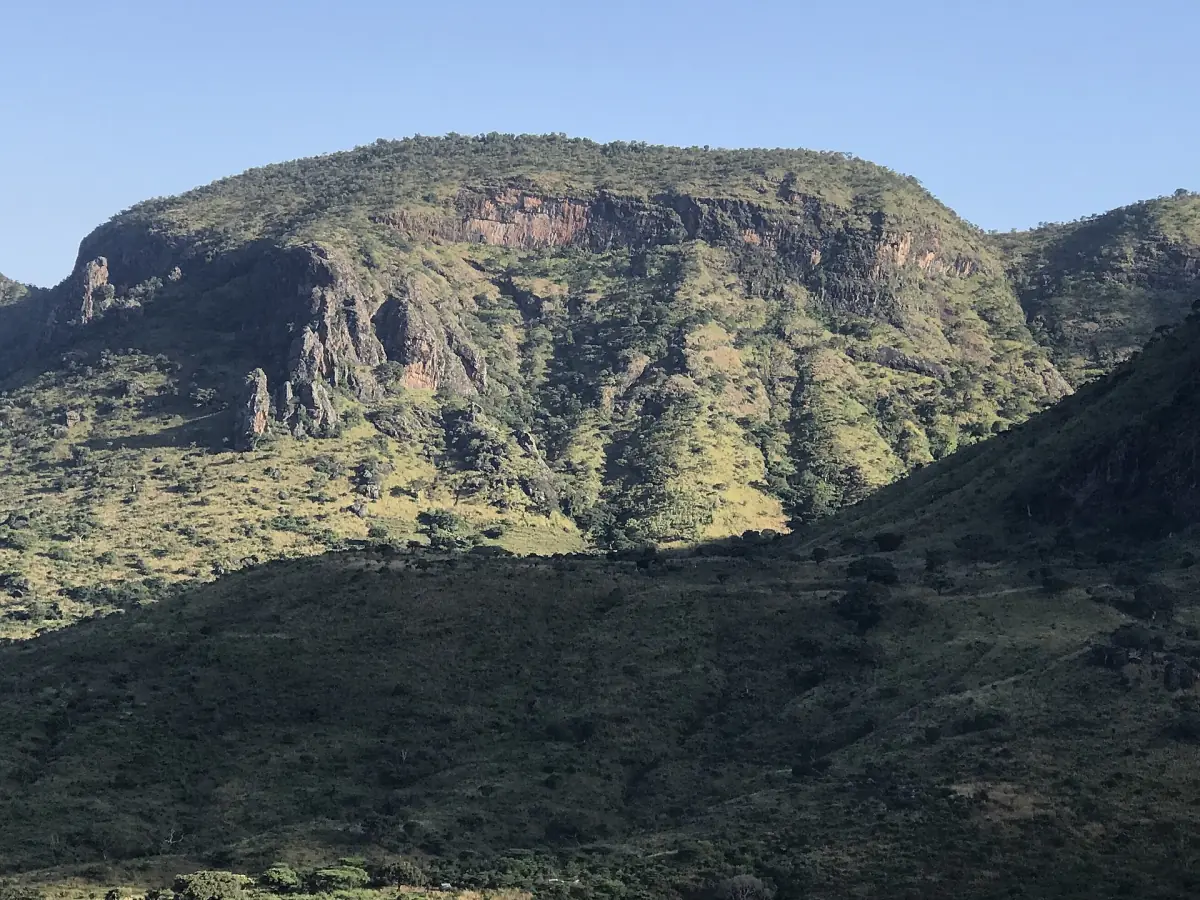
Visiting communities with respect
A visit is an agreement, not a right.
Ask in advance
Homestead visits have been offered at places such as Kawalakol and Lorukul. Whether they run now, and on which terms, has to be agreed in advance with the park or a licensed guide. Do not walk into a homestead on your own.
Photographs
Ask before you take a photo, and accept a no. Photos of people at a time of hardship are rarely welcome.
Agree the terms
There is no single price for a community visit. Settle beforehand what you will pay and what it covers, so that nobody is surprised afterwards.
Not an attraction
Hunger, drought and cattle raiding are real parts of daily life here. Do not treat them as a sight.
Karamoja travel: what is happening now
In 2026 the rains failed. In August 2026 drought and crop losses hit Karamoja, with Kotido and Kaabong among the hardest-hit districts, and more than 600,000 people in the region were affected by food insecurity. This is a present-day crisis, not a custom of any one people.
As of October 2026, government advice differs in wording. UK advice mentions an increased security presence in Karamoja because of armed cattle raiding, with deaths in operations and raids, and asks travellers to avoid driving at night. German advice notes a higher danger of armed attacks around Kidepo and the borders, and recommends keeping your distance from the South Sudan border and travelling with experienced companions. The US advice of June 2026 lists Uganda as a whole at Level 4, Do not travel. Disarmament campaigns do not mean the risk has gone. Read the current advice from your own government before you go.
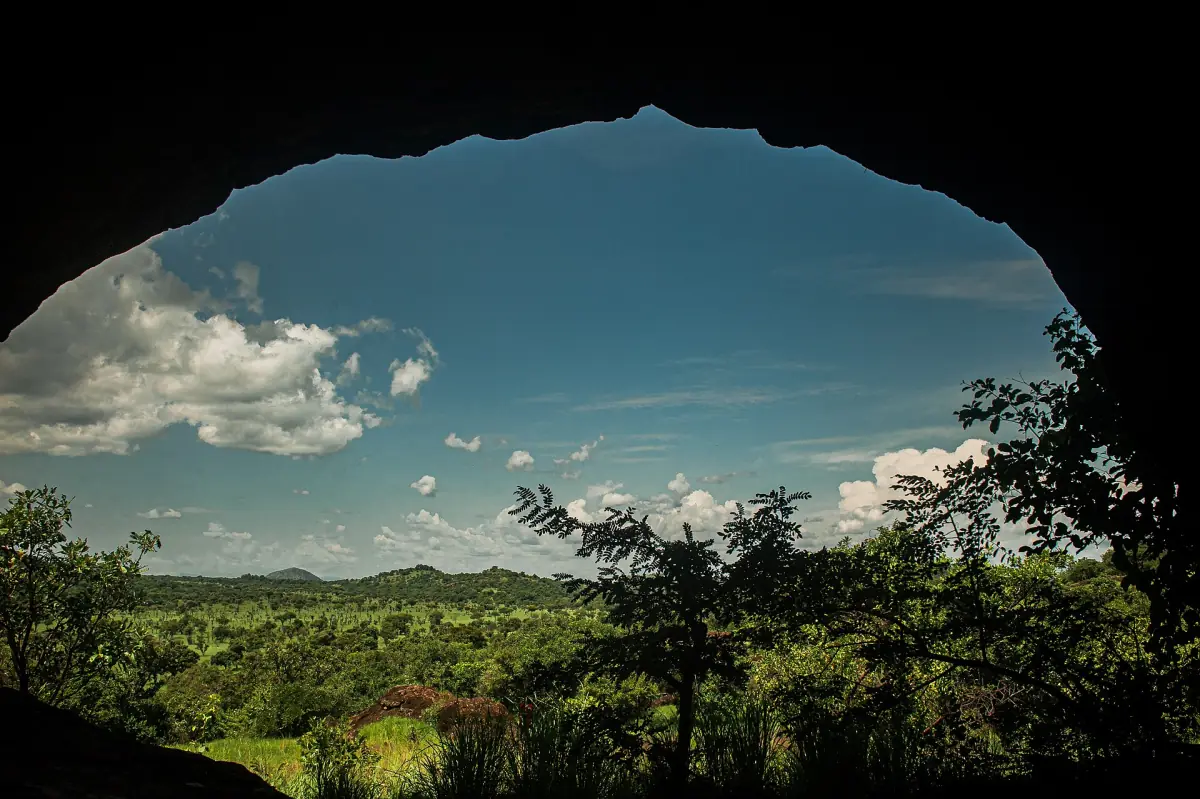
Practical points for the road
The region is large and the roads are long.
Drive in daylight
Plan each day so you arrive before dark. Park gates are open from 07:00 to 19:00.
Ask about the roads
The roads of the northeast can flood in the wetter months. The UK advice asks for suitably equipped four-wheel-drive vehicles in flood-prone areas. Read about the routes in our Kampala to Kidepo guide.
Choose your season
Dry months concentrate wildlife near the remaining water in the park. Our weather and best time guide sets the usual pattern against this unusual year.
Keep reading
Related guides for the northeast.
Karamoja: frequently asked questions
What is Karamoja?
Karamoja is a region in the northeast of Uganda, made up of nine districts. Kidepo Valley National Park lies inside it, close to the borders with South Sudan and Kenya.
Is Karamoja a single district?
No. It is a region of several districts: Abim, Amudat, Kaabong, Karenga, Kotido, Moroto, Nabilatuk, Nakapiripirit and Napak. Moroto, Kotido and Kaabong are also the names of towns, so check whether a source means the town or the district.
Who are the Karamojong?
The Karamojong are a pastoral people of the northeast with a strong tradition of keeping cattle. Not every family lives as nomadic herders, and ways of life vary from place to place.
Can I visit a Karamojong homestead?
Visits have been offered, but access is never automatic. They need to be arranged in advance through the park or a licensed guide, and the terms are agreed beforehand.
Is Karamoja safe to travel in?
Official advice differs by country (as of October 2026). Armed cattle raiding is the main concern, and night driving should be avoided. Check your own government's advice before you book.
Why is there a food crisis in Karamoja in 2026?
The rains failed, and drought and crop losses followed, especially in Kotido and Kaabong. It is a present-day crisis and not a feature of any one people.